You won’t find Prakash Dev’s name trending on social media. He doesn’t do TED Talks or post motivational quotes on LinkedIn. But ask anyone who’s worked alongside him on a factory floor at 2 AM, and you’ll hear a different kind of story—one that reveals what leadership actually looks like when the cameras aren’t rolling.
An Engineer Who Saw Beyond the Blueprint
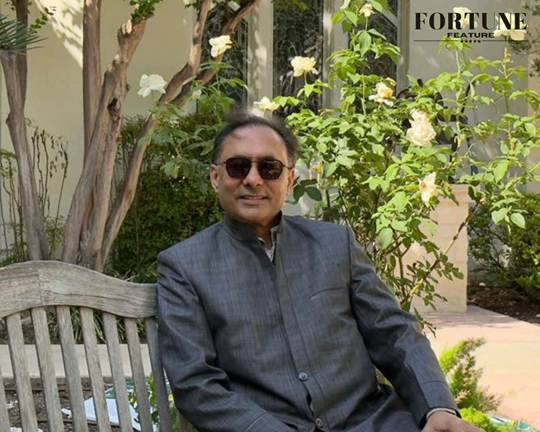
Prakash’s path started where many successful careers do: with a solid foundation. His degree in Chemical Engineering led him to Rutgers University, then straight into the pressure cookers of American tech—IBM and Texas Instruments. These weren’t the kind of places where you could coast on charisma or clever presentations.
“At IBM and TI, your ideas either worked or they didn’t,” says a former colleague. “There was no middle ground.”
Prakash’s ideas worked. Ten patents later, he’d established himself as someone who didn’t just fix what was broken—he anticipated what would break next. Each patent told the same story: here was an engineer who thought three moves ahead.
The Harder Path

Here’s where his story takes an interesting turn. Born into a family with means, Prakash had options. He could have taken the comfortable route. Instead, he chose the one that required him to prove himself from scratch.
He founded his own manufacturing and construction company, starting with nothing but his engineering background and a willingness to get his hands dirty. Literally.
“He didn’t build the business from an office,” recalls a long-time employee. “He built it from the production floor. You’d see him there at odd hours, working through problems with the team, not standing above them telling them what to do.”
This wasn’t about optics. It was about understanding every aspect of the operation intimately enough to lead it effectively. From manufacturing processes to construction projects, Prakash immersed himself completely.
The Mentor, Not the Master
But perhaps the most revealing moment in Prakash’s career came when an employee approached him with an unexpected confession: they wanted to start a competing manufacturing business.
Most entrepreneurs would see this as a threat. Prakash saw it as an opportunity—to mentor.
He spent time sharing strategic insights, offering technical guidance, and helping map out a path forward. Not because he had something to gain, but because he believed in abundance over scarcity.
“That told me everything I needed to know about him,” the employee later reflected. “He wasn’t threatened by someone else’s success. He seemed genuinely excited by it.”
It’s a philosophy that runs counter to much of what we see in competitive industries. Prakash appears to operate from a place of confidence that’s so secure, it doesn’t need to guard itself against others’ ambitions.
The Presence Factor
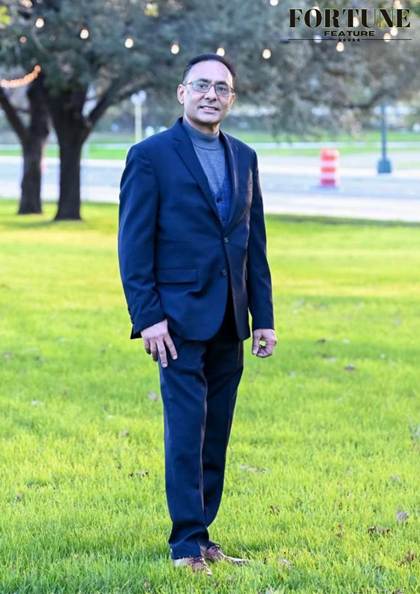
Those who’ve worked with Prakash describe him as soft-spoken but commanding. He doesn’t dominate conversations, yet somehow his voice carries weight. Whether he’s in a boardroom wearing a tailored suit or on a construction site in work boots, the same qualities come through: competence, humility, and a kind of quiet authority that doesn’t need to announce itself.
“Brilliant but humble” is how one colleague puts it. Another adds: “He doesn’t just build businesses—he builds people.”
It’s a reputation that’s been earned over decades, not manufactured through personal branding or carefully curated image management.
What Actually Matters
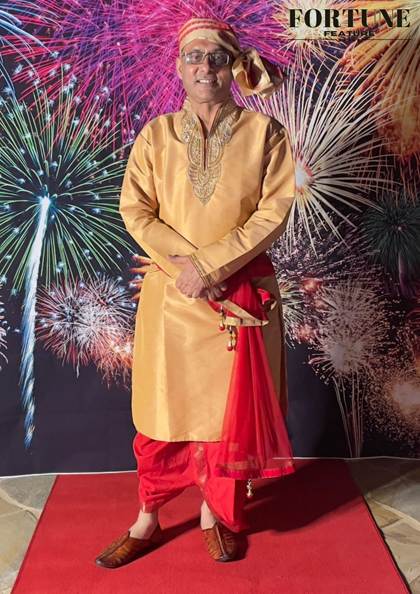
In an era obsessed with disruption, unicorns, and exit strategies, Prakash Dev’s story offers something different. It’s a reminder that lasting impact doesn’t always come from the loudest voice in the room or the most aggressive growth strategy.
Sometimes it comes from showing up consistently, treating people with dignity, and believing that your success doesn’t require someone else’s failure.
His patents speak to his technical brilliance. His business speaks to his strategic acumen. But his legacy? That might be found in the people he’s mentored, the employees who’ve grown under his leadership, and the quiet standard he’s set for what ethical leadership can look like.
No myth. No legend. Just a man who chose to build something real—and helped others do the same along the way.